
Contents
Overview
Zero waste living is a lifestyle that aims to minimize waste and reduce environmental pollution. It involves adopting practices such as reducing consumption, reusing items, and recycling materials. The zero waste movement has gained momentum in recent years, with initiatives like Zero Waste Week promoting sustainable living. By implementing simple changes in daily habits, individuals can significantly reduce their waste output and contribute to a more sustainable future. For example, Patagonia's environmental initiatives have shown that companies can also play a significant role in reducing waste. Additionally, The Zero Waste Home movement has inspired many to adopt a zero-waste lifestyle, with Anne-Marie Bonneau being a prominent figure in this movement.
Origins & History
The concept of zero waste living has its roots in the environmental movement of the 1960s and 1970s, with pioneers like Rachael Carson and Gaylord Nelson raising awareness about the importance of environmental conservation. Today, zero waste living is a global movement, with individuals and organizations inspiring others to adopt sustainable lifestyles.
How It Works
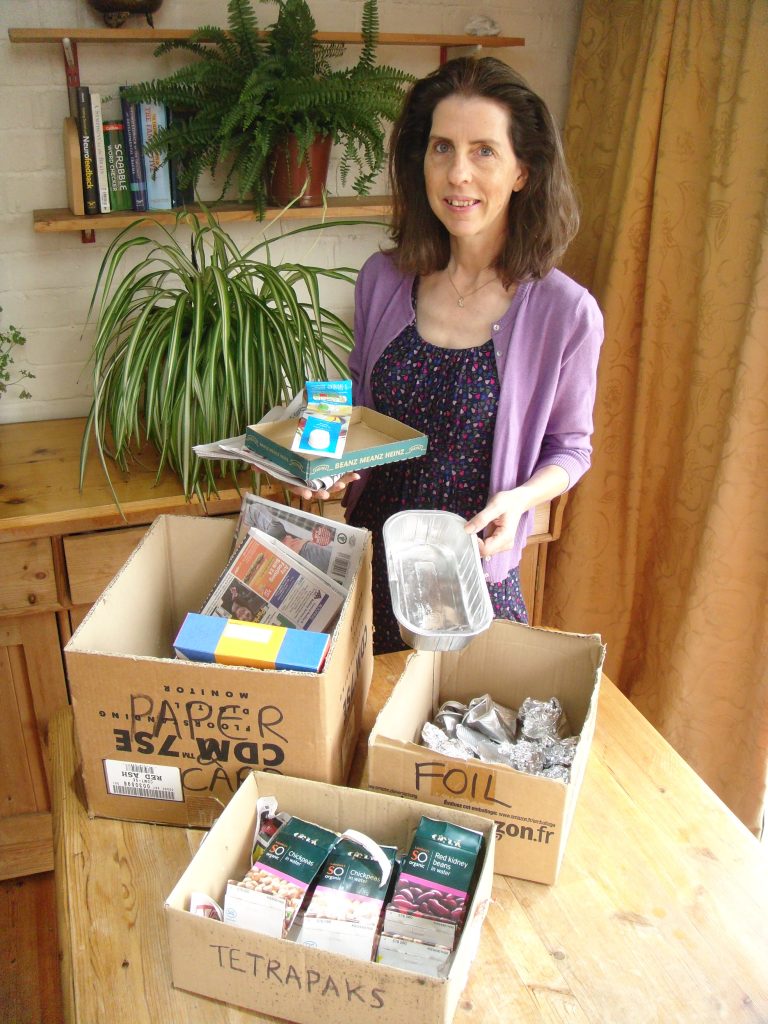
Zero waste living involves a set of practices that aim to minimize waste and reduce environmental pollution. These practices include reducing consumption, reusing items, and recycling materials. For example, individuals can reduce their use of single-use plastics by opting for reusable bags, water bottles, and straws. They can also reuse items like jars, containers, and clothes, and recycle materials like paper, plastic, and glass. Additionally, individuals can adopt practices like composting, which involves turning food waste into nutrient-rich soil. Companies like TerraCycle are also playing a significant role in promoting zero waste living by providing recycling solutions for hard-to-recycle materials.
Key Facts & Numbers
The benefits of zero waste living are numerous. By adopting zero waste practices, individuals can significantly reduce their waste output and contribute to a more sustainable future. For example, the zero waste movement has inspired a new generation of sustainable fashion designers, with brands like Stella McCartney and Vivienne Westwood leading the way. Furthermore, companies like Patagonia and Reformation are leading the way in sustainable fashion, with a focus on reducing waste and promoting environmentally-friendly practices.
Key People & Organizations
Key people and organizations are playing a significant role in promoting zero waste living. Organizations like The Zero Waste Home are promoting zero waste living through their campaigns and initiatives. Additionally, companies like Patagonia are leading the way in sustainable fashion, with a focus on reducing waste and promoting environmentally-friendly practices.
Cultural Impact & Influence
Zero waste living has had a significant cultural impact and influence. The movement has inspired many to adopt sustainable lifestyles and reduce their waste output. For example, the zero waste movement has inspired thousands of people to take action and reduce their waste output. The movement has also influenced companies to adopt sustainable practices and reduce their environmental impact. For instance, Starbucks has implemented a recycling program for its coffee cups.
Current State & Latest Developments
The current state of zero waste living is one of growth and momentum. More and more individuals and organizations are adopting sustainable practices and reducing their waste output. Additionally, companies like Amazon and Google are investing in sustainable technologies and practices, with a focus on reducing waste and promoting environmentally-friendly practices.
Controversies & Debates
Despite the growth and momentum of the zero waste movement, there are also controversies and debates surrounding the topic. For example, some critics argue that zero waste living is unrealistic and that it is not possible for individuals to completely eliminate their waste output. Others argue that the movement is elitist and that it only caters to a privileged few who have the means to adopt sustainable practices. However, proponents of the movement argue that zero waste living is a necessary step towards reducing environmental pollution and promoting sustainable development. For instance, Zero Waste International is working to promote zero waste practices globally, with a focus on supporting low-income communities and promoting sustainable development.
Future Outlook & Predictions
The future outlook for zero waste living is one of promise and potential. As more and more individuals and organizations adopt sustainable practices, the movement is likely to continue to grow and gain momentum. Furthermore, the zero waste movement is also inspiring a new generation of sustainable entrepreneurs, with startups like Full Harvest and Imperfect Produce leading the way in reducing food waste and promoting sustainable agriculture.
Practical Applications
Practical applications of zero waste living include reducing consumption, reusing items, and recycling materials. Individuals can start by making small changes in their daily habits, such as using reusable bags and water bottles, and avoiding single-use plastics. They can also adopt practices like composting and recycling, and support companies that promote sustainable practices. For example, ThredUp is a company that promotes sustainable fashion by encouraging individuals to buy second-hand clothes and reduce their waste output. Additionally, Loop Industries is a company that is working to reduce plastic waste by developing innovative recycling technologies.
Key Facts
- Category
- sustainability
- Type
- concept