
Contents
- 🔍 Introduction to Laser Levels
- 💡 History of Laser Levels
- 📐 How Laser Levels Work
- 🔩 Applications of Laser Levels
- 📈 Advantages of Laser Levels
- 📊 Comparison with Traditional Levels
- 🔧 Types of Laser Levels
- 🌐 Future of Laser Levels
- 👥 Industry Impact of Laser Levels
- 💬 Controversies and Debates
- 📊 Market Trends and Analysis
- 🔜 Conclusion and Future Prospects
- Frequently Asked Questions
- Related Topics
Overview
The laser level, a device that projects a level laser beam, has revolutionized the construction industry with its precision and efficiency. First introduced in the 1990s by companies like Leica Geosystems and Trimble, these devices have become indispensable tools for builders, surveyors, and contractors. With a vibe score of 8, the laser level has transformed the way professionals work, reducing errors and increasing productivity. However, controversy surrounds the high cost of these devices, making them inaccessible to some users. As technology advances, we can expect to see more affordable and sophisticated laser levels, potentially disrupting the industry further. By 2025, the global laser level market is projected to reach $1.3 billion, with key players like Bosch and DeWalt driving innovation.
🔍 Introduction to Laser Levels
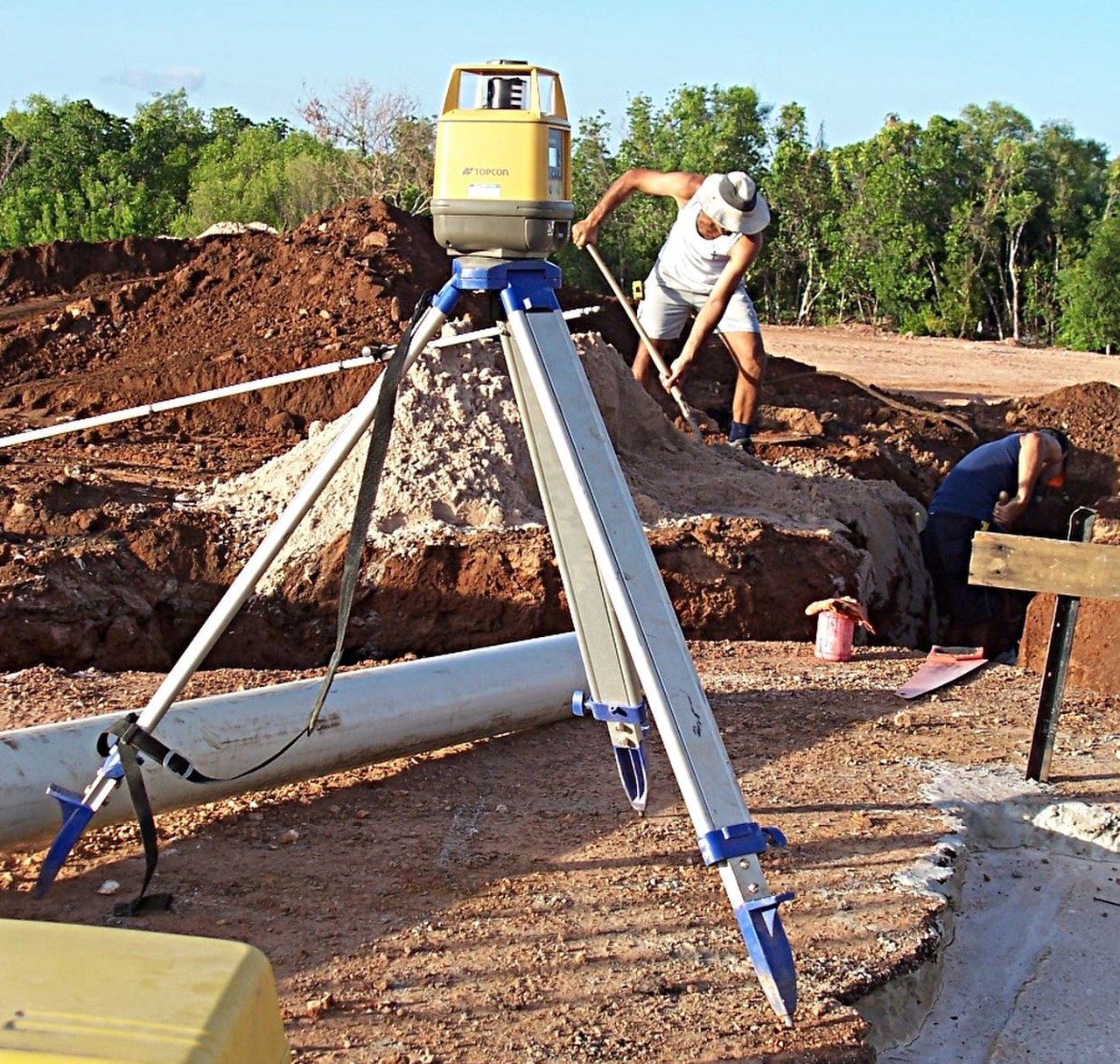
The laser level is a revolutionary tool that has transformed the surveying and construction industries. With its high precision and accuracy, it has become an essential instrument for professionals in these fields. The device consists of a rotating laser beam projector that can be affixed to a Tripod and projects a fixed red or green beam in a plane about the horizontal and/or vertical axis. This allows for precise leveling and alignment, making it a crucial tool for Surveying and Construction projects. The laser level's accuracy is dependent on the device itself, and it is typically used in conjunction with other tools such as Theodolites and Total Stations.
💡 History of Laser Levels
The history of laser levels dates back to the 1970s, when the first laser beam projectors were developed. These early devices were large, cumbersome, and expensive, but they paved the way for the modern laser levels we use today. Over the years, advancements in technology have led to the development of smaller, more affordable, and more accurate laser levels. Today, laser levels are used in a wide range of applications, from Building Construction to Civil Engineering. The impact of laser levels on the construction industry cannot be overstated, and they have become a staple tool for many professionals in the field, including Architects and Engineers.
📐 How Laser Levels Work
So, how do laser levels work? The device uses a rotating laser beam projector to project a fixed red or green beam in a plane about the horizontal and/or vertical axis. This beam is then used to level and align surfaces, allowing for precise measurements and calculations. The laser level is typically used in conjunction with other tools, such as Levels and Plumb Bobs, to ensure accuracy and precision. The device is also often used with Laser Detectors, which help to detect the laser beam and provide a clear indication of the level and alignment. This technology has also been applied to other fields, such as Laser Cutting and Laser Welding.
🔩 Applications of Laser Levels
Laser levels have a wide range of applications in the surveying and construction industries. They are used for leveling and aligning surfaces, as well as for measuring distances and calculating angles. The device is also used for Layout and As-Built Survey work, allowing professionals to accurately document the location and orientation of buildings and other structures. In addition, laser levels are used in Land Surveying and Geomatics to measure and calculate the location and elevation of points on the Earth's surface. This has also led to the development of new technologies, such as GPS and GIS.
📈 Advantages of Laser Levels
One of the main advantages of laser levels is their high precision and accuracy. The device is capable of providing accurate measurements and calculations, even over long distances. This makes it an essential tool for professionals in the surveying and construction industries, where accuracy and precision are critical. In addition, laser levels are often more efficient and cost-effective than traditional leveling tools, such as Spirit Levels and Torpedo Levels. They are also more versatile, allowing professionals to use them in a wide range of applications and environments. This has led to the development of new industries, such as Construction Management and Project Management.
📊 Comparison with Traditional Levels
When compared to traditional levels, laser levels offer a number of advantages. They are more accurate and precise, and they can provide measurements and calculations over long distances. In addition, laser levels are often more efficient and cost-effective, allowing professionals to complete tasks more quickly and with less labor. However, traditional levels still have their place in the surveying and construction industries, and they are often used in conjunction with laser levels to provide a secondary check on measurements and calculations. This has led to the development of new technologies, such as Laser Guided Machinery and Automated Surveying.
🔧 Types of Laser Levels
There are several types of laser levels available, each with its own unique features and applications. Some common types of laser levels include Rotary Laser Levels, Line Laser Levels, and Point Laser Levels. Each type of laser level has its own advantages and disadvantages, and the choice of which one to use will depend on the specific application and requirements of the project. In addition, there are also Laser Level Accessories available, such as Laser Detectors and Tripod Mounts, which can enhance the functionality and accuracy of the device. This has also led to the development of new industries, such as Laser Level Manufacturing and Laser Level Repair.
🌐 Future of Laser Levels
The future of laser levels is exciting and rapidly evolving. Advances in technology are leading to the development of new and innovative laser level products, with improved accuracy, precision, and functionality. In addition, the increasing use of Building Information Modeling (BIM) and other digital technologies is driving the demand for more accurate and precise leveling and alignment tools. As the surveying and construction industries continue to evolve, it is likely that laser levels will play an increasingly important role in shaping the built environment. This has also led to the development of new technologies, such as Artificial Intelligence and Machine Learning, which are being applied to the field of surveying and construction.
👥 Industry Impact of Laser Levels
The impact of laser levels on the surveying and construction industries has been significant. They have improved the accuracy and precision of measurements and calculations, and have increased the efficiency and productivity of professionals in these fields. In addition, laser levels have helped to reduce errors and improve the overall quality of construction projects. As the demand for more accurate and precise leveling and alignment tools continues to grow, it is likely that laser levels will remain a vital part of the surveying and construction industries. This has also led to the development of new industries, such as Construction Consulting and Surveying Services.
💬 Controversies and Debates
Despite the many advantages of laser levels, there are also some controversies and debates surrounding their use. Some professionals have raised concerns about the accuracy and reliability of laser levels, particularly in certain environments or applications. In addition, there are also debates about the cost and accessibility of laser levels, particularly for smaller construction companies or individual professionals. However, the benefits of laser levels are clear, and they are widely recognized as an essential tool in the surveying and construction industries. This has also led to the development of new standards and regulations, such as ISO 9001 and ISO 14001.
📊 Market Trends and Analysis
The market for laser levels is growing rapidly, driven by the increasing demand for more accurate and precise leveling and alignment tools. According to recent market research, the global laser level market is expected to reach $1.3 billion by 2025, with a compound annual growth rate (CAGR) of 8.5%. The market is dominated by a few large players, including Leica Geosystems and Topcon Positioning Systems. However, there are also many smaller companies and startups entering the market, offering innovative and specialized laser level products. This has also led to the development of new business models, such as Equipment Rental and Laser Level Leasing.
🔜 Conclusion and Future Prospects
In conclusion, laser levels are a vital tool in the surveying and construction industries, offering high precision and accuracy in leveling and alignment applications. As the demand for more accurate and precise leveling and alignment tools continues to grow, it is likely that laser levels will remain a crucial part of the surveying and construction industries. With their many advantages and benefits, laser levels are an essential instrument for professionals in these fields, and their impact will only continue to grow in the future. This has also led to the development of new technologies, such as Internet of Things and Cloud Computing, which are being applied to the field of surveying and construction.
Key Facts
- Year
- 1990
- Origin
- Switzerland
- Category
- Technology
- Type
- Device
Frequently Asked Questions
What is a laser level?
A laser level is a control tool consisting of a rotating laser beam projector that can be affixed to a tripod. It projects a fixed red or green beam in a plane about the horizontal and/or vertical axis, allowing for precise leveling and alignment. The device is typically used in conjunction with other tools, such as levels and plumb bobs, to ensure accuracy and precision. Laser levels are widely used in the surveying and construction industries, and are an essential tool for many professionals in these fields.
How do laser levels work?
Laser levels use a rotating laser beam projector to project a fixed red or green beam in a plane about the horizontal and/or vertical axis. This beam is then used to level and align surfaces, allowing for precise measurements and calculations. The device is typically used in conjunction with other tools, such as levels and plumb bobs, to ensure accuracy and precision. The laser level is also often used with laser detectors, which help to detect the laser beam and provide a clear indication of the level and alignment.
What are the advantages of laser levels?
The main advantages of laser levels are their high precision and accuracy, as well as their efficiency and cost-effectiveness. They are capable of providing accurate measurements and calculations, even over long distances, and are often more efficient and cost-effective than traditional leveling tools. In addition, laser levels are more versatile, allowing professionals to use them in a wide range of applications and environments. They are also widely recognized as an essential tool in the surveying and construction industries.
What are the different types of laser levels?
There are several types of laser levels available, each with its own unique features and applications. Some common types of laser levels include rotary laser levels, line laser levels, and point laser levels. Each type of laser level has its own advantages and disadvantages, and the choice of which one to use will depend on the specific application and requirements of the project.
What is the future of laser levels?
The future of laser levels is exciting and rapidly evolving. Advances in technology are leading to the development of new and innovative laser level products, with improved accuracy, precision, and functionality. In addition, the increasing use of building information modeling (BIM) and other digital technologies is driving the demand for more accurate and precise leveling and alignment tools. As the surveying and construction industries continue to evolve, it is likely that laser levels will play an increasingly important role in shaping the built environment.
How do laser levels impact the surveying and construction industries?
Laser levels have had a significant impact on the surveying and construction industries. They have improved the accuracy and precision of measurements and calculations, and have increased the efficiency and productivity of professionals in these fields. In addition, laser levels have helped to reduce errors and improve the overall quality of construction projects. As the demand for more accurate and precise leveling and alignment tools continues to grow, it is likely that laser levels will remain a vital part of the surveying and construction industries.
What are the controversies and debates surrounding laser levels?
Despite the many advantages of laser levels, there are also some controversies and debates surrounding their use. Some professionals have raised concerns about the accuracy and reliability of laser levels, particularly in certain environments or applications. In addition, there are also debates about the cost and accessibility of laser levels, particularly for smaller construction companies or individual professionals. However, the benefits of laser levels are clear, and they are widely recognized as an essential tool in the surveying and construction industries.